Concept and Research
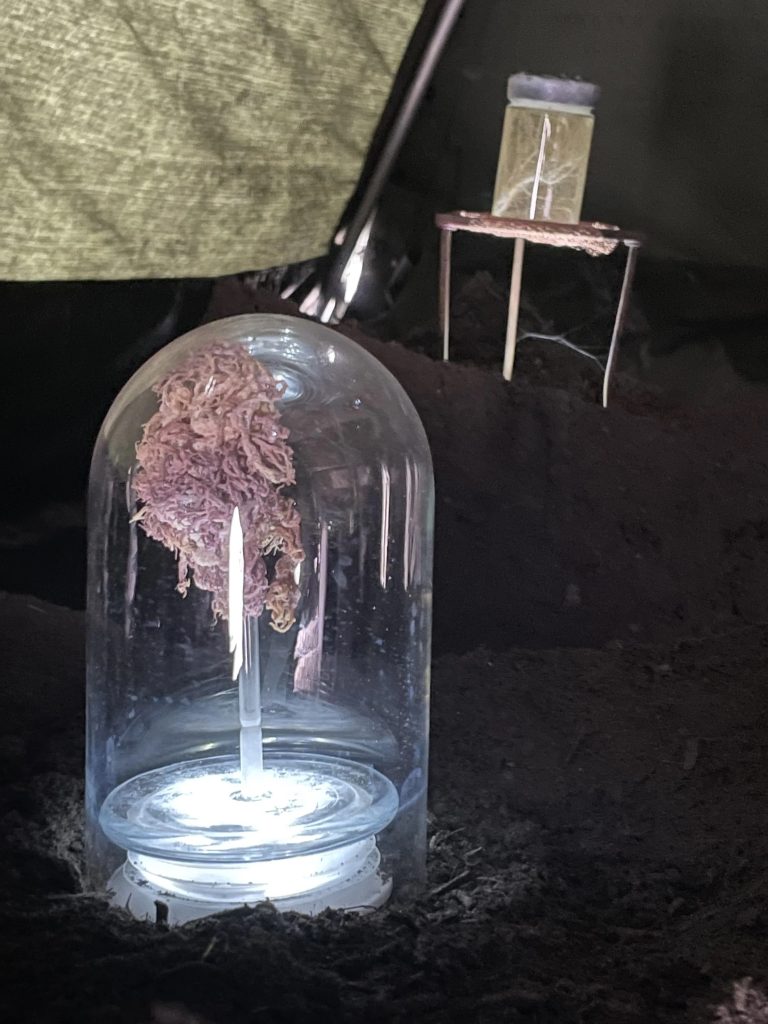
Messages to a Post Human Earth began with a speculative question drawn from Stanislaw Lem: how might a message endure beyond human time, and be understood by a future that may no longer share our language, or even our form? His proposal to encode information into plant DNA became a starting point for thinking about living systems as carriers of memory and meaning.
The project developed through an ongoing dialogue between May Abdalla (Creative Director) and plant scientist Monica Gagliano, whose research challenges conventional definitions of cognition. Gagliano’s work explores how plants gather and respond to environmental information, suggesting forms of memory, learning and awareness that exist without a nervous system. At the same time, she questions the limits of scientific frameworks themselves, particularly the tendency to isolate, categorise and objectify life in ways that obscure ecological relationships.
This tension between scientific method and lived experience became central to the process. As Gagliano describes, laboratory research can offer precision and credibility, but often at the cost of removing organisms from the complexity of their environment. Field-based approaches, by contrast, embrace uncertainty and interdependence, asking broader questions about how life is experienced rather than simply measured. The project situates itself within this space, not attempting to resolve these positions, but to hold them in productive tension.
The conversation also draws on indigenous knowledge systems, where plants are understood as communicative and relational beings. Rather than positioning these perspectives as alternative or supplementary, the work acknowledges them as long-standing epistemologies that challenge the boundaries of Western scientific thought.
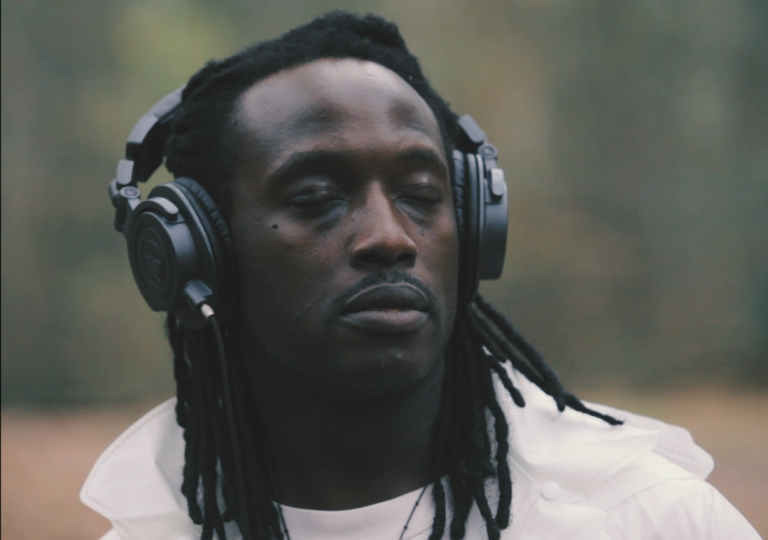
As May reflects in the project presentation here, “the problem often is our inability as humans to be still and to perceive the world… and the potential for there to be intelligence in the gardens that is not about human intelligence.”
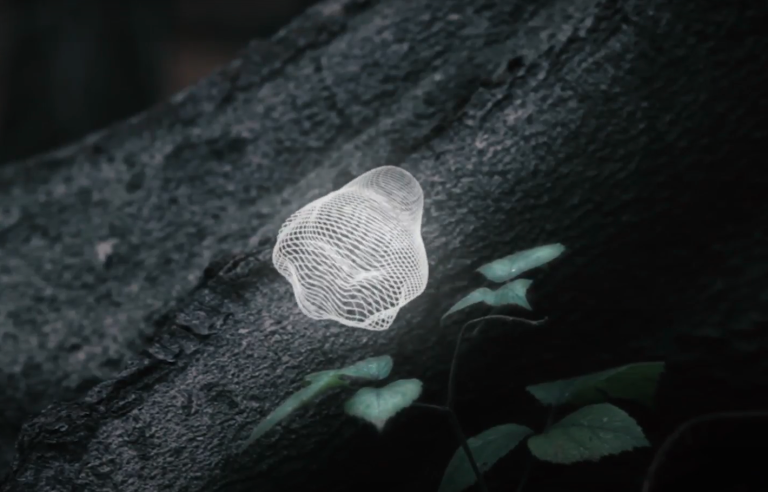
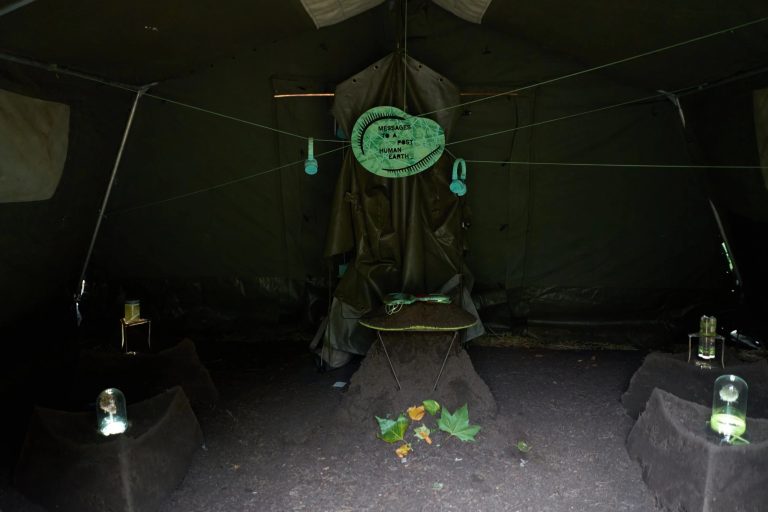
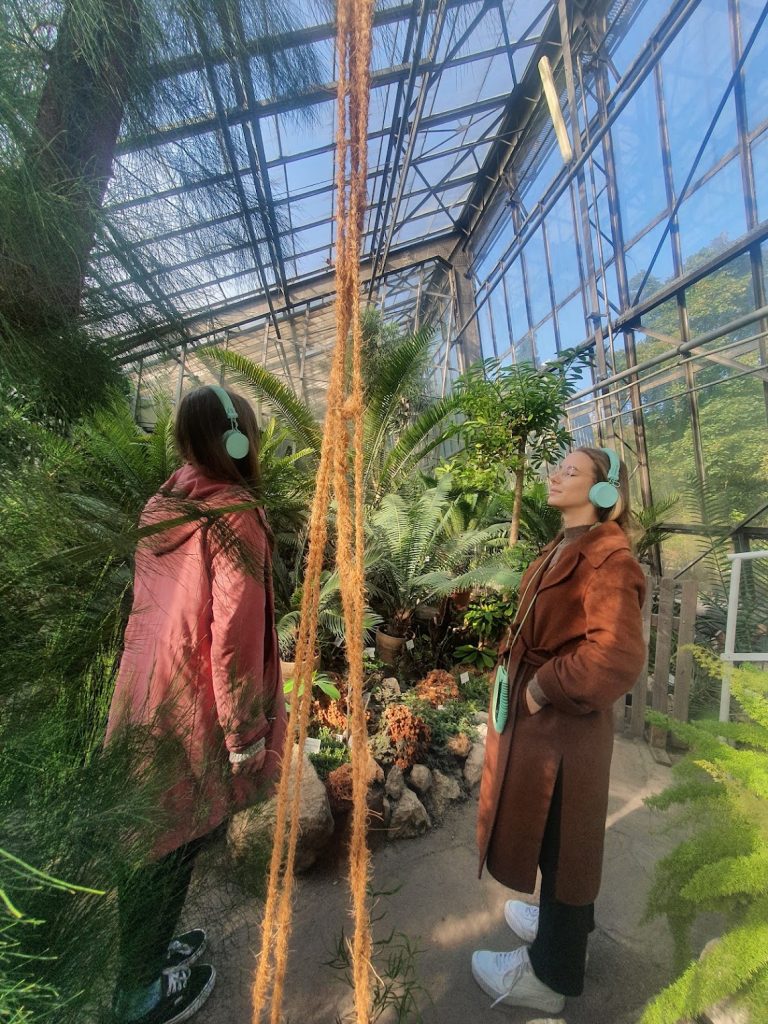
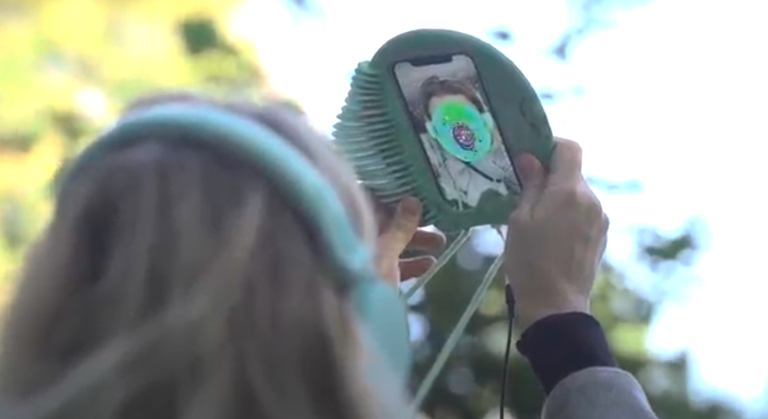
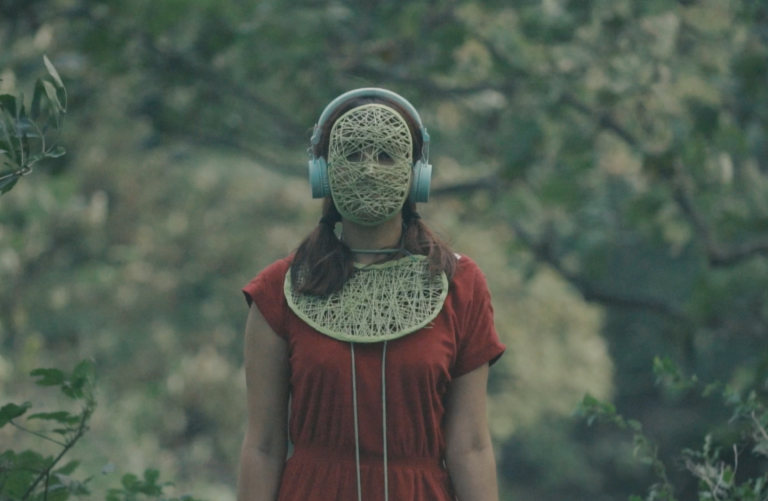
This idea of perception and its limits informed the form of the experience: the project does not attempt to prove plant intelligence, but to shift the conditions under which it might be sensed. Through a combination of audio, augmented reality and physical movement, participants are invited to engage with their surroundings as a living system, where communication may be present but not immediately legible.
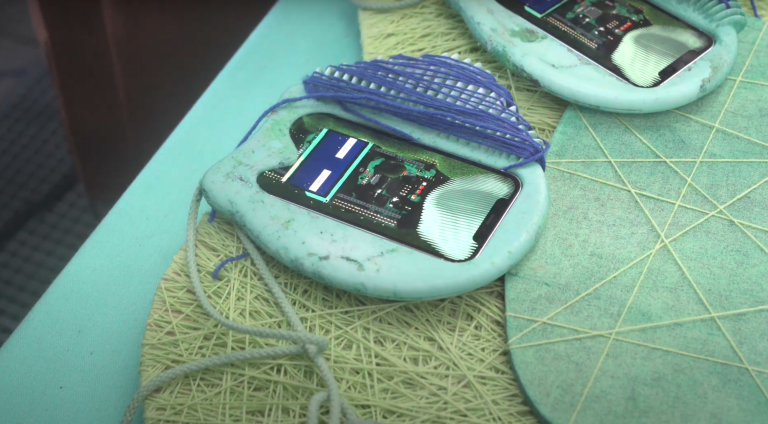
The piece was prototyped with IDFA DocLab in 2020 and designed for accessibility and distribution beyond traditional venues. Using a smartphone, headphones and minimal props, the experience can take place in any park, allowing the work to unfold directly within living ecosystems rather than representing them.